

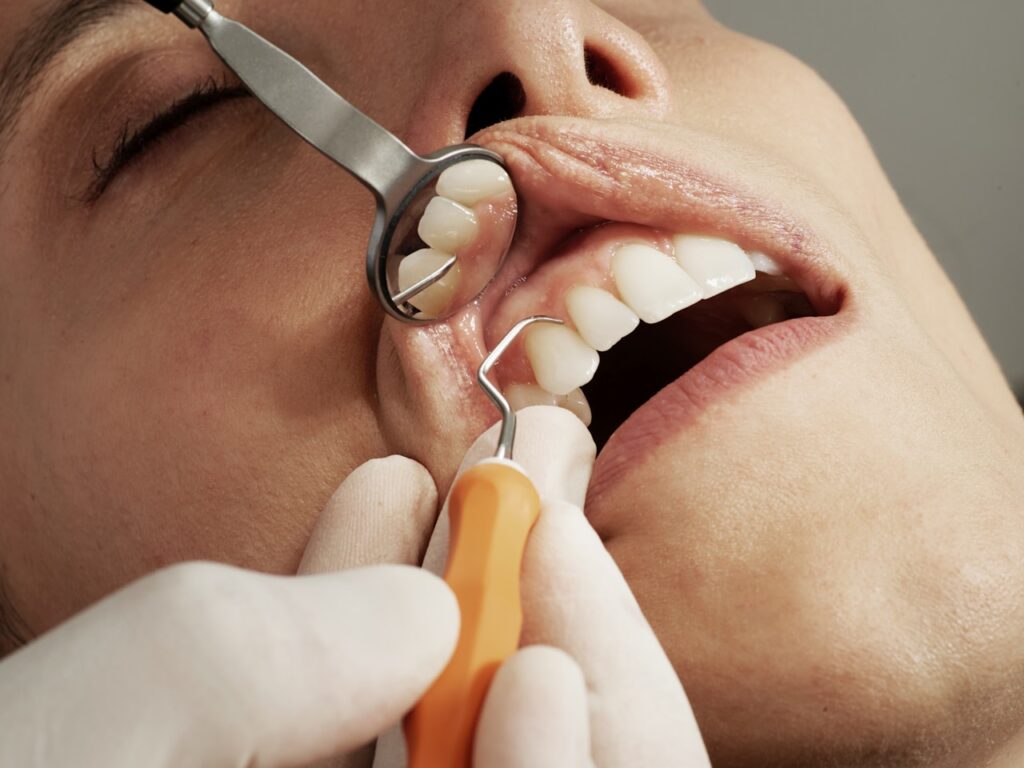
Pain and discomfort are among the most common concerns patients have when considering Invisalign treatment. The idea of moving teeth — shifting bone and tissue — naturally raises questions about what that process feels like from the inside. The honest answer is that Invisalign does cause some discomfort, but for the vast majority of patients it is manageable, predictable, and far milder than many people fear. Understanding exactly when discomfort occurs, what it feels like, and how to handle it effectively will help you approach treatment with realistic expectations and appropriate preparation.
Why Invisalign Causes Discomfort
Invisalign works by applying controlled pressure to specific teeth with each new aligner tray. This pressure stimulates a biological process called bone remodeling, in which bone is broken down on one side of a tooth root and new bone is deposited on the other, allowing the tooth to shift gradually in the intended direction. This process is exactly what makes orthodontic treatment effective — and it is also the source of the discomfort patients experience.
The pressure applied by a new aligner tray is intentionally slightly tighter than your current tooth positions, which is what drives movement. When you insert a new tray, your teeth do not yet match the tray's shape perfectly, and the tray is actively pushing them toward that new position. This mismatch creates the sensation of pressure and tightness that most patients describe as the primary source of Invisalign discomfort.
The First Few Days with New Aligners
The most discomfort associated with Invisalign occurs during the first one to three days after inserting a new aligner tray. During this period, the pressure on the teeth is at its most intense because the tray's shape is furthest from your current tooth positions. Most patients describe this sensation as a significant tightness or pressure rather than sharp pain — similar to the feeling of a tight shoe before it has broken in. The teeth may feel tender to the touch, and biting down on food can be uncomfortable during this initial period.
By day three or four, the teeth have typically moved enough to close the gap between their current position and the tray's intended position, and the pressure sensation diminishes significantly. By the end of the first week, most patients feel little to no discomfort from that particular tray. When the next tray is inserted, the cycle begins again — a few days of pressure followed by a settling period of relative comfort.
How Invisalign Compares to Braces for Pain
Patients who have experienced both Invisalign and traditional braces frequently report that Invisalign is the more comfortable of the two options. Traditional braces involve hardware — metal or ceramic brackets and wires — that can rub against the soft tissues of the lips, cheeks, and tongue, causing irritation and sores that have nothing to do with the tooth movement itself. Wires that poke, loose brackets that scratch, and the general roughness of the appliance can create persistent low-level discomfort that adds up over months of treatment.
Invisalign aligners are made of smooth, custom-fitted plastic that conforms closely to the teeth and has no sharp edges. The only discomfort comes from the pressure of tooth movement, not from the appliance rubbing against soft tissue. For patients who are particularly sensitive to hardware irritation, Invisalign is often the more tolerable day-to-day experience.
Managing Invisalign Discomfort Effectively
Several strategies can meaningfully reduce the discomfort associated with new aligner trays. Timing the switch to a new tray at night rather than in the morning is one of the most commonly recommended approaches. By inserting the new tray right before bed, you sleep through the most intense period of initial pressure, and by the time you wake up, the worst of the tightness has already subsided. This simple scheduling adjustment makes a genuine difference for many patients.
Over-the-counter pain relievers such as ibuprofen or acetaminophen taken at the standard recommended dose can help manage discomfort during the first couple of days with a new tray. Ibuprofen is often preferred because it has anti-inflammatory properties in addition to pain relief, which may provide slightly more effective comfort during the active bone remodeling phase. Always follow dosage guidelines and consult your healthcare provider if you have any conditions that affect your ability to take these medications.
Eating soft foods during the first day or two with a new aligner tray reduces the mechanical stress on already-tender teeth. Smoothies, yogurt, soup, soft pasta, and scrambled eggs are all easy on sensitive teeth and keep you nourished without making the discomfort worse. Cold foods and beverages can also provide mild relief by slightly numbing the gum tissue, so a cold smoothie or chilled water can be a helpful comfort measure during the most tender period.
Attachments and Their Effect on Comfort
Many Invisalign patients have small tooth-colored resin bumps called attachments bonded to specific teeth. These attachments give the aligner additional grip and allow more complex tooth movements to be achieved. While attachments are nearly invisible, they do create additional surfaces against which the aligner applies force, which can intensify the pressure sensation for certain trays. Patients with attachments may find new tray days slightly more uncomfortable than those without attachments, but the experience remains well within the manageable range for the vast majority.
When to Contact Your Orthodontist
Routine pressure and tenderness with new trays is normal and expected. However, certain types of discomfort warrant a call to your orthodontist. If pain is sharp and localized to a single tooth and does not improve after three to four days, this is worth reporting. If an aligner tray is significantly ill-fitting — does not seat properly on the teeth even after several days of wear — it may indicate that the teeth have not moved as planned and that the treatment needs to be evaluated. If you notice any significant swelling of the gums or persistent sores in the mouth that are not resolving, contact your provider for guidance.
For the vast majority of Invisalign patients in Louisiana, discomfort is a manageable and temporary part of a process that delivers life-changing results. The predictable, cyclic nature of the discomfort actually makes it easier to handle than the constant low-level irritation that braces can cause — you know when it will come, you know it will fade, and you know exactly what to do to get through it comfortably.
nn
🔗 Related Articles
🌎 External Resources
Leave a Reply