

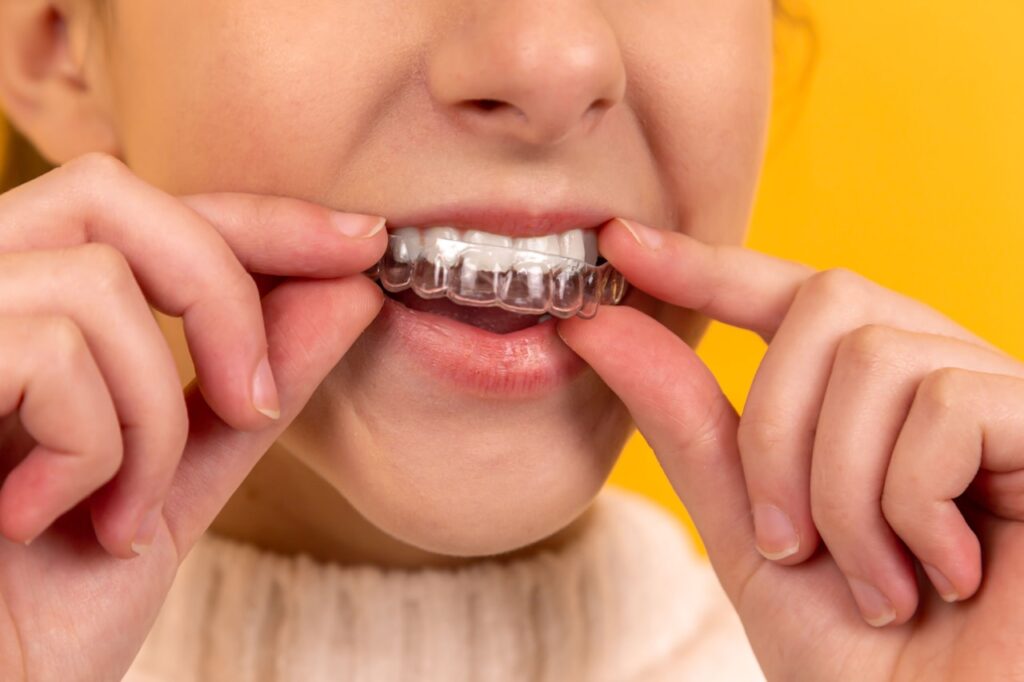
If you or your child has been told that orthodontic treatment is recommended, one of the first decisions you will face is choosing which type of braces to use. The options available today are more varied and more sophisticated than at any point in the history of orthodontics, and understanding what each system offers — and what it demands — is essential to making a confident, well-informed choice. This guide breaks down every major type of braces available in 2025 so you can walk into your orthodontic consultation already knowing the right questions to ask.
Traditional Metal Braces
Traditional metal braces are the most widely recognized and longest-established form of orthodontic treatment. They consist of small metal brackets bonded to the front surface of each tooth, connected by a thin metal wire that is periodically tightened to apply controlled pressure and gradually move teeth into alignment. Despite being the oldest technology in the lineup, modern metal braces are far smaller, lighter, and more comfortable than their predecessors from even 20 years ago.
Metal braces are the most cost-effective option for most patients, typically ranging from $3,000 to $5,500 in Louisiana. They are highly effective across a wide range of case complexities, from mild crowding to severe bite problems, and because they are fixed in place, they work continuously without requiring active cooperation from the patient beyond keeping appointments and maintaining oral hygiene. Many teenagers embrace the chance to customize their look by choosing colored elastics at each adjustment visit, turning what might feel like a limitation into a form of personal expression.
The main drawbacks of metal braces are their visibility and the dietary restrictions they impose. Patients must avoid hard, sticky, and chewy foods that can damage the brackets or bend the wires, and brushing and flossing require more care and time than without braces. That said, for patients who need comprehensive treatment and want the most affordable path to a corrected smile, metal braces remain an outstanding option.
Ceramic Braces
Ceramic braces work on exactly the same mechanical principle as metal braces but use brackets made from tooth-colored or clear composite ceramic material that blends with the natural shade of the teeth. This makes them significantly less noticeable in everyday settings, which is their primary appeal for patients who want the effectiveness of a fixed appliance without the high visibility of metal hardware.
The trade-off is cost — ceramic braces typically run $500 to $1,500 more than metal braces — and the fact that ceramic brackets can stain over time if patients regularly consume dark-colored foods and beverages like coffee, tea, red wine, and turmeric-heavy foods. The wire running through the brackets is still typically metal and remains visible, though some orthodontists offer tooth-colored coated wires for patients who want maximum discretion. Ceramic braces are popular among adults and older teens who prioritize aesthetics without wanting to commit to the compliance demands of a removable aligner system.
Lingual Braces
Lingual braces are placed on the inner, tongue-facing surfaces of the teeth rather than the outer surfaces, making them completely invisible from the front. For patients who need comprehensive orthodontic treatment but cannot have any visible appliances — performers, public speakers, professional athletes, or patients who simply feel strongly about discretion — lingual braces offer a solution that no other fixed appliance can match.
The significant downsides of lingual braces are cost and comfort. Because the brackets and wires must be custom-manufactured to fit the unique contours of each patient's inner tooth surfaces, lingual braces are substantially more expensive than other fixed options, often ranging from $8,000 to $13,000. The adjustment period can also be considerable, as the tongue must adapt to working around the hardware, which affects speech and comfort in the early weeks of treatment. Not every orthodontist is trained in lingual appliances, so finding a qualified provider may require additional research.
Invisalign and Clear Aligners
Clear aligner systems like Invisalign represent the most significant departure from traditional braces technology. Rather than fixed brackets and wires, Invisalign uses a series of custom-fabricated, removable clear plastic trays that are swapped out on a schedule of approximately one to two weeks. Each tray is precisely designed to move specific teeth by a small, calculated amount, and the full series of trays maps out the complete tooth movement journey from the first appointment to the final result.
The appeal of Invisalign is powerful: the trays are nearly invisible when worn, they can be removed for meals and oral hygiene, there are no food restrictions, and many patients find them more comfortable than fixed appliances. However, the system requires disciplined compliance — trays must be worn 20 to 22 hours per day without exception — and they are not equally effective for all case types. Complex rotations, significant bite corrections, and cases involving substantial vertical tooth movement may still be better handled by a fixed appliance.
In Louisiana, Invisalign treatment typically costs between $3,500 and $7,000 depending on the number of aligners needed and the complexity of the case. Invisalign Lite and Invisalign Go are shorter, less comprehensive versions designed for simpler cases and are often available at a lower cost.
Self-Ligating Braces
Self-ligating braces are a variation of traditional fixed braces that use a built-in sliding mechanism to hold the wire in place rather than the small elastic ties used in conventional brackets. The claimed advantages include reduced friction between the wire and bracket, potentially faster tooth movement, and fewer adjustment appointments. Brands such as Damon and SmartClip are among the most well-known self-ligating systems.
The evidence on whether self-ligating braces actually produce faster results than conventional braces is mixed, with most systematic reviews suggesting that the differences in treatment duration and outcome quality are modest. However, many patients find the reduced friction more comfortable, and some orthodontists prefer them for specific case types. Self-ligating braces are typically priced similarly to or slightly above conventional metal or ceramic braces.
Accelerated Orthodontics
For patients who want to reduce their total treatment time, accelerated orthodontic techniques can be used in combination with traditional or clear aligner treatment. High-frequency vibration devices such as VPro5 are worn for five minutes per day and claim to speed tooth movement by stimulating blood flow and bone remodeling around the teeth. Micro-osteoperforations, small perforations made in the bone around the teeth using a specialized device, accelerate the biological response of bone tissue to orthodontic forces and can meaningfully shorten treatment duration in motivated patients.
These approaches come with additional costs and, in the case of micro-osteoperforations, involve a minor clinical procedure. They are worth discussing with your orthodontist if treatment speed is a priority for you.
Which Type Is Right for You
The right type of braces depends on the complexity of your orthodontic needs, your lifestyle, your aesthetic priorities, your budget, and your compliance capacity. A comprehensive consultation with a qualified orthodontist is the only reliable way to get a professional assessment of which options are genuinely suitable for your specific case. In Louisiana, most orthodontic practices offer free initial consultations — take advantage of this to get expert guidance before making your decision.
nn
🔗 Related Articles
- braces vs Invisalign
- Invisalign vs ceramic braces
- cost of braces in Louisiana
- teeth straightening options 2025
🌎 External Resources
Leave a Reply