

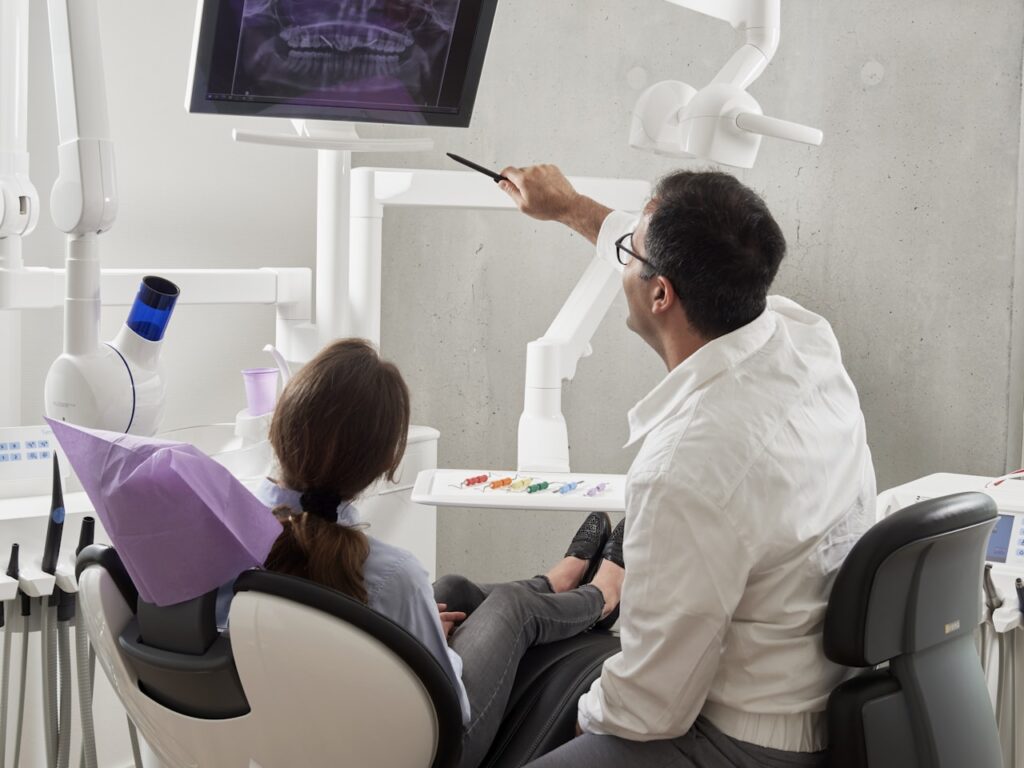
Getting your braces removed is an exciting milestone, but it is not the end of your orthodontic journey. The retention phase that follows is just as important as the treatment itself. Without proper retention, the teeth you worked so hard to straighten will gradually drift back toward their original positions. Understanding why teeth move after braces and how retainers prevent this can help you appreciate the importance of wearing yours consistently.
Why Teeth Move After Braces
During orthodontic treatment, teeth are moved through the bone by applying controlled pressure. As a tooth shifts, the bone on one side is resorbed and new bone forms on the other side to support the tooth in its new position. When braces or aligners are removed, this bone remodeling is not yet complete. The surrounding gum tissue and periodontal ligaments, which connect each tooth to the bone, retain a kind of memory of the tooth's original position and exert forces that pull the teeth back toward where they started.
This tendency for teeth to return toward their pre-treatment positions is called relapse, and it affects virtually every patient to some degree without retention. The first year after braces are removed is the period of highest relapse risk, which is why retainer wear is most critical during this time. However, teeth can and do shift throughout a lifetime, meaning some form of long-term retention is typically recommended indefinitely.
Types of Retainers
There are two main categories of retainers: removable and fixed. Each has advantages and disadvantages, and many patients use a combination of both for optimal results.
Removable retainers come in two primary styles. The Hawley retainer, one of the oldest and most durable designs, consists of a plastic body that sits against the roof of the mouth or the floor of the mouth behind the lower teeth, with a wire that wraps around the front teeth. Hawley retainers are adjustable, easy to clean, and very durable when cared for properly. The Essix retainer is a clear, thin plastic tray similar in appearance to an Invisalign aligner that fits over the entire dental arch. Essix retainers are nearly invisible when worn but may crack or warp over time and need to be replaced more frequently than Hawley retainers.
Fixed retainers, also called permanent or bonded retainers, consist of a thin wire bonded to the inside surfaces of the front teeth with dental adhesive. They are invisible from the outside and work continuously without requiring patient compliance. Fixed retainers are commonly placed on the lower front teeth, where relapse risk is particularly high. The main drawback is that they require more careful cleaning since flossing must be threaded under the wire, and they can break if subjected to excessive force from biting hard foods.
How Long Do You Need to Wear a Retainer?
Immediately after braces are removed, most orthodontists recommend wearing a removable retainer full time — 22 or more hours per day — for the first three to six months. After that initial period, nighttime wear is typically sufficient for most patients. The general guidance from most orthodontists is that retainers should be worn every night for the rest of your life to maintain your results long-term.
This recommendation may sound extreme, but it reflects the reality that teeth never stop being influenced by the forces around them, including pressure from the tongue, lips, and the normal forces of biting and chewing. Patients who wear their retainers faithfully in the years after treatment consistently maintain better alignment than those who stop wearing them once their teeth feel stable.
Caring for Your Retainer
Proper care extends the life of your retainer and keeps it hygienic. Removable retainers should be rinsed with cool water every time they are removed. Brush them gently with a soft toothbrush and a small amount of mild soap or non-whitening toothpaste. Avoid hot water, which can distort the plastic. Denture cleaning tablets can be used occasionally for a deeper clean but should not replace daily brushing.
Always store your retainer in its case when it is not in your mouth. Retainers wrapped in napkins are frequently thrown away accidentally, and leaving them exposed increases the risk of damage or contamination. Keep them away from pets, who are often attracted to the smell and will chew them.
Fixed retainers require diligent cleaning around and under the wire. A floss threader or water flosser helps remove debris from these hard-to-reach areas. Visit your dentist regularly so the wire and its bonding can be checked for damage or loose spots.
What Happens If You Stop Wearing Your Retainer
If you stop wearing your removable retainer for even a few weeks, you may find when you try to put it back in that it no longer fits comfortably or at all. This means your teeth have already begun to shift. Do not force a retainer that does not fit — contact your orthodontist to have new records taken and to discuss whether a new retainer or additional treatment is needed.
Patients who experience significant relapse after years of not wearing their retainers may need to undergo another round of orthodontic treatment to correct the shifting. This is both costly and time-consuming and entirely avoidable. Wearing your retainer as directed by your Louisiana orthodontist is the single most effective thing you can do to protect the investment you made in your smile.
Replacing Lost or Damaged Retainers
If you lose or damage your retainer, contact your orthodontist as soon as possible. Every day without a retainer is a day your teeth have the opportunity to shift. Depending on how long you have been without it, your orthodontist may simply replace the retainer, or you may need brief corrective treatment before a new one is made. Acting quickly minimizes the damage and the cost of getting back on track. Keep your retainer case with you whenever you remove your retainer, and never wrap it in a napkin where it can easily be mistaken for trash and thrown away.
The bottom line is simple: your retainer is what protects everything your orthodontic treatment achieved. Treat it with the same importance as the treatment itself, and your straight smile will last a lifetime.
nn
🔗 Related Articles
🌎 External Resources
Leave a Reply