

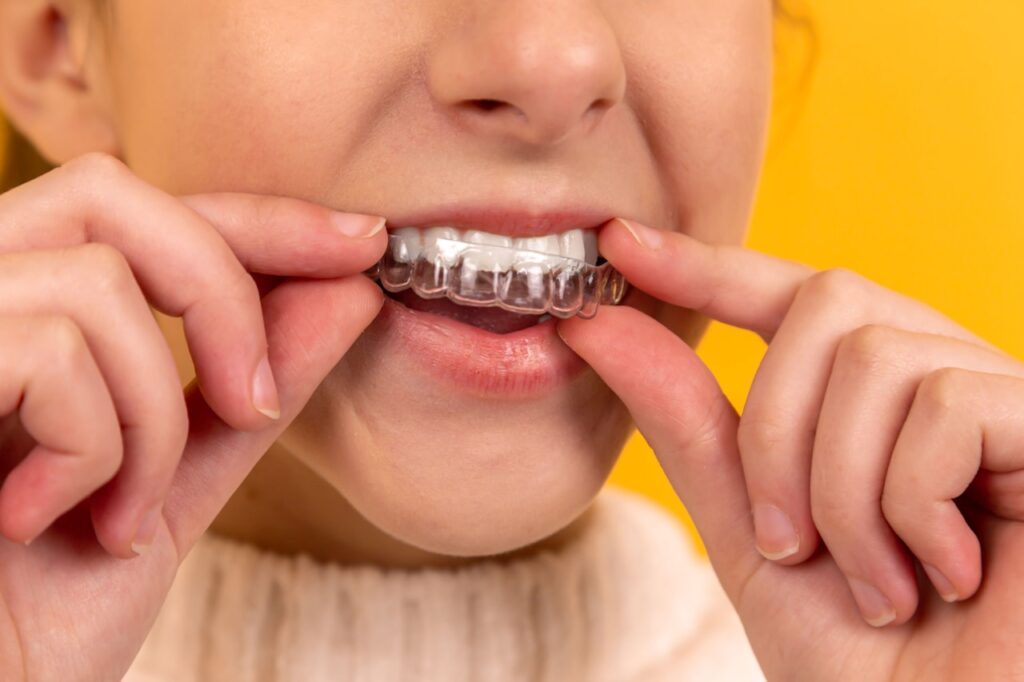
If your child's orthodontist has recommended a palate expander, you may have questions about what it is, how it works, and whether it is really necessary. Palate expanders are among the most common orthodontic appliances used in children and pre-teens, and they can play a critical role in creating the foundation for a healthy, well-aligned smile. Understanding the device and what to expect during treatment can help ease any concerns you or your child might have.
What Is a Palate Expander?
A palate expander, also called a palatal expander or orthodontic expander, is an appliance used to widen the upper jaw. The upper jaw, or maxilla, is actually made up of two separate bones that are joined by a suture — a fibrous joint — running down the middle of the palate. In children and young adolescents, this suture has not yet fully fused, which means it can be gradually widened using a palate expander to create more space in the upper arch.
The expander is typically made of metal and fits across the roof of the mouth, anchored to the upper molars with bands. It has a small key hole in the center, and parents use a special key to turn a screw mechanism that widens the device by a tiny amount each day. Each turn creates a small gap between the two halves of the palate, and the body gradually fills in that gap with new bone tissue. Over time, the upper jaw becomes wider to accommodate the teeth and create a proper bite.
Why Might Your Child Need One?
Palate expanders are typically recommended when a child has a narrow upper jaw that is causing or is likely to cause orthodontic problems. One of the most common reasons is a posterior crossbite, where the upper back teeth sit inside the lower back teeth instead of outside them. This happens because the upper arch is too narrow relative to the lower arch. A palate expander corrects this by widening the upper jaw until the back teeth meet in the correct position.
Crowding is another common reason for a palate expander. When the jaw is too narrow to accommodate all the permanent teeth as they come in, those teeth have nowhere to go and end up crooked, overlapping, or pushing other teeth out of position. By widening the jaw, an expander creates the space needed for teeth to erupt in a straighter position, sometimes reducing or eliminating the need for tooth extractions later.
Expanders can also be used to help correct certain types of underbites and to improve nasal airflow in children who breathe primarily through their mouths due to a constricted nasal passage. Widening the palate also widens the floor of the nasal cavity, which can meaningfully improve breathing for some children.
How Long Is Treatment?
The active phase of palate expansion, during which the expander is turned regularly, typically lasts three to six months. During this time, parents turn the device according to a schedule provided by the orthodontist, usually once or twice per day. After the desired expansion is achieved, the expander is left in place for an additional six to twelve months without further turning to allow the new bone to fully form and harden. This retention period is essential — removing the expander too early can allow the palate to narrow back toward its original width.
After the expander is removed, patients typically move on to the next phase of their orthodontic treatment, which may involve braces or aligners to fine-tune the positions of individual teeth.
What to Expect During Expander Treatment
The first few days after a palate expander is placed can feel uncomfortable as the mouth adjusts to the new appliance. Eating may be challenging initially, and it is a good idea to offer soft foods during this period. Speech may be slightly affected at first, with some children developing a temporary lisp as the tongue adapts to working around the expander. Most children adjust within one to two weeks and barely notice the appliance after that.
You may notice a gap developing between your child's front teeth as the expander widens the palate. This is completely normal and expected. The gap will close naturally as the front teeth drift together once expansion is complete.
Cleaning around a palate expander requires attention. Food and debris can collect in and around the device, increasing the risk of cavities and gum irritation. Using a water flosser or a special orthodontic brush to rinse and clean around the expander daily is highly recommended.
Is It the Right Choice for Your Child?
The best person to answer that question is a qualified orthodontist who can assess your child's specific development. If you are in Louisiana and your child's dentist or orthodontist has raised the possibility of a palate expander, scheduling a consultation to discuss the recommendation in detail is the right next step. Palate expansion is most effective during childhood and early adolescence before the palatal suture fuses, so timing matters. Once the suture has fused in adulthood, surgical assistance is required to achieve similar results. Acting during the window of opportunity can make a significant positive difference in your child's orthodontic journey.
Talking to Your Child About the Expander
Children often worry about appliances they have never encountered before. Explaining the palate expander in simple, reassuring terms makes a big difference. Let them know it is a tool that helps make room for their permanent teeth so they come in straight and healthy, and that many kids their age use one. Remind them that any initial discomfort fades quickly and that the end result is absolutely worth the short adjustment period. Staying positive and patient as a parent during the first week or two goes a long way toward helping your child adapt comfortably and confidently to the expander.
Remember that a palate expander is one of the most effective and time-tested tools in orthodontics. When used at the right age and under proper supervision, it sets the stage for a lifetime of better oral health.
nn
🔗 Related Articles
- when your child should first see an orthodontist
- orthodontic treatment for teens
- crossbite treatment
🌎 External Resources
Leave a Reply