

An overbite is one of the most common orthodontic issues treated by orthodontists around the world, and yet many people who have one do not fully understand what it is, why it matters, or what can be done to correct it. Whether you are a parent who has been told your child has an overbite or an adult who has lived with one for years and is finally considering treatment, this guide explains everything you need to know about overbite correction — from diagnosis to the full range of treatment options available in Louisiana today.
What Is an Overbite?
The term overbite technically refers to the vertical overlap between the upper and lower front teeth when the back teeth are brought together. A small degree of overlap — typically between one and three millimeters, or roughly 10 to 30 percent of the lower front tooth height — is completely normal and healthy. Problems arise when the overlap is excessive, a condition sometimes called a deep overbite, or when the upper front teeth protrude significantly beyond the lower front teeth in a horizontal direction, which is more precisely called an overjet but is commonly referred to as an overbite in everyday conversation.
A significant overbite or overjet can be caused by genetics, jaw size discrepancies between the upper and lower arches, childhood habits such as prolonged thumb sucking or pacifier use, or the early loss of baby teeth that alters the development of the dental arches. In many cases it is a combination of factors rather than a single cause.
Why an Overbite Should Be Corrected
A mild overbite may never cause any noticeable problems and may not require treatment beyond cosmetic concerns. However, a significant overbite or overjet warrants attention for several health-related reasons. Protruding upper front teeth are at much higher risk of being chipped or fractured during falls, sports accidents, or everyday impacts that would not affect properly aligned teeth. Studies consistently show that children and adults with significant overjet are more likely to suffer dental trauma than those with normal alignment.
A deep overbite can cause the lower front teeth to bite into the tissue behind the upper front teeth or even into the roof of the mouth, causing persistent soft tissue damage and discomfort. Over time, it can also accelerate wear on the lower front teeth and affect jaw joint function, potentially contributing to TMJ symptoms including pain, clicking, and difficulty opening the mouth fully. From both a functional and preventive standpoint, correcting a significant overbite is a sound investment in long-term dental health.
Overbite Correction in Children and Adolescents
The most favorable time to address an overbite is during childhood and early adolescence, when the jaw is still actively growing. During this developmental window, orthodontists can use growth modification appliances to guide the development of the jaws themselves rather than simply moving teeth within a fixed jaw structure.
Functional appliances such as the Herbst appliance, the Twin Block, and the Forsus springs are all designed to reposition the lower jaw forward relative to the upper jaw, correcting the jaw relationship at its source. These appliances are worn during a phase of active jaw growth — typically between the ages of nine and thirteen — and can produce significant corrections that would require surgery to achieve in a fully grown adult. Palate expanders are sometimes used in conjunction with these appliances when the upper arch is also narrow.
Phase One treatment for overbite correction is often followed by a period of monitoring and then Phase Two comprehensive treatment with braces or clear aligners once all the permanent teeth have erupted. Patients who complete both phases of treatment typically achieve more stable, comprehensive results than those who wait until adulthood for a single phase of treatment.
Overbite Correction in Adults
Adults who need overbite correction have fully matured jaw bones, which means growth modification is no longer an option. Treatment focuses on moving the teeth to create a more functional and aesthetic bite relationship, using braces or clear aligners in combination with elastics, springs, or other auxiliary appliances.
Traditional braces with interarch elastics — small rubber bands worn between specific upper and lower teeth — are one of the most effective approaches to overbite correction in adults. The elastics apply force in a specific direction to pull the upper and lower jaws into better alignment relative to each other. Wearing elastics as directed is one of the most important compliance factors in successful overbite treatment.
Invisalign has become increasingly capable of treating overbites in adults, particularly when paired with precision attachments — small tooth-colored bumps bonded to specific teeth to help the aligners apply more targeted forces — and elastics. However, severe overbite cases in adults may still be better served by traditional fixed appliances, which give the orthodontist more precise control over the direction and magnitude of forces applied to each tooth.
Orthognathic Surgery for Severe Cases
In cases where the overbite or overjet is caused primarily by a significant skeletal discrepancy — a meaningful size or position difference between the upper and lower jaws — orthodontic treatment alone may not be able to achieve a fully corrected, stable result. In these situations, orthognathic surgery, also called corrective jaw surgery, may be recommended in combination with orthodontic treatment.
The typical surgical orthodontic process involves a pre-surgical phase of orthodontic treatment lasting 12 to 18 months that aligns the teeth within their respective jaws in preparation for the surgery. The oral and maxillofacial surgeon then repositions one or both jaws during a hospital procedure under general anesthesia. A post-surgical phase of orthodontic treatment follows to finalize the bite and tooth positions. The total treatment timeline is typically two to three years, but the results for patients with severe skeletal discrepancies are more comprehensive and stable than could be achieved with orthodontics alone.
How to Get Started
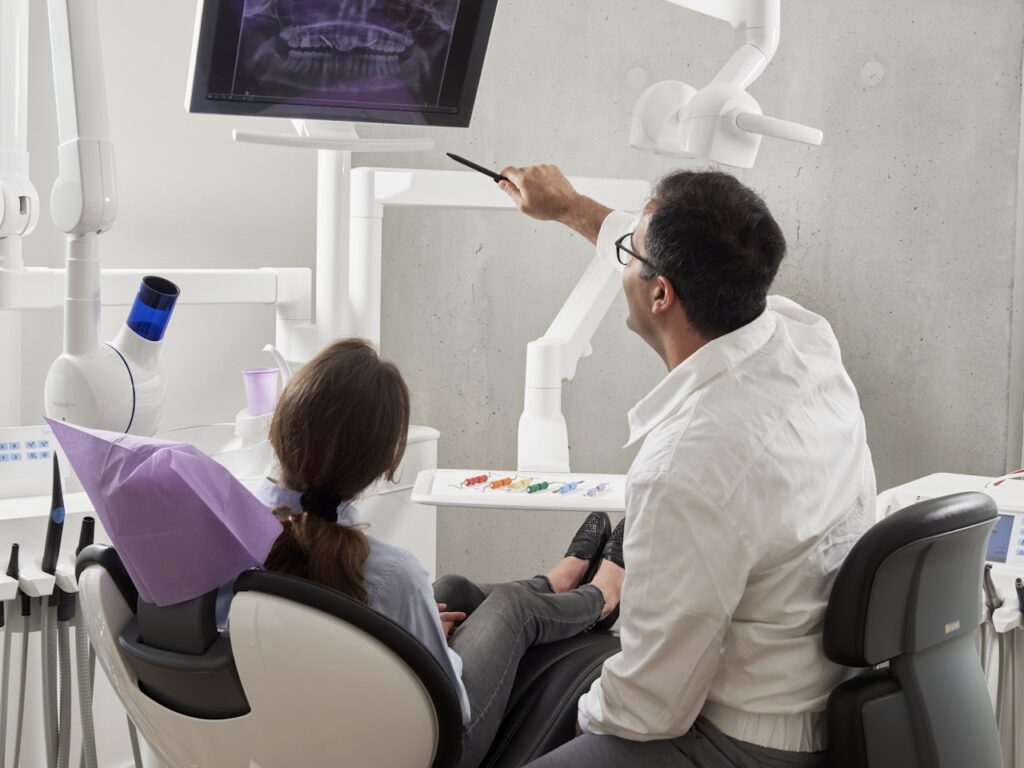
If you suspect you or your child has a significant overbite, the first step is scheduling a consultation with a qualified orthodontist. During this appointment, the orthodontist will take X-rays and measurements to evaluate both the dental and skeletal components of the bite and determine the most appropriate treatment approach for the specific situation. In Louisiana, orthodontic consultations are widely available and often offered at no charge, making it easy and low-risk to get a professional opinion and understand your options before committing to any treatment path.
nn
🔗 Related Articles
- types of braces
- underbite treatment guide
- signs you need orthodontic treatment
- when should your child see an orthodontist
🌎 External Resources
Leave a Reply