

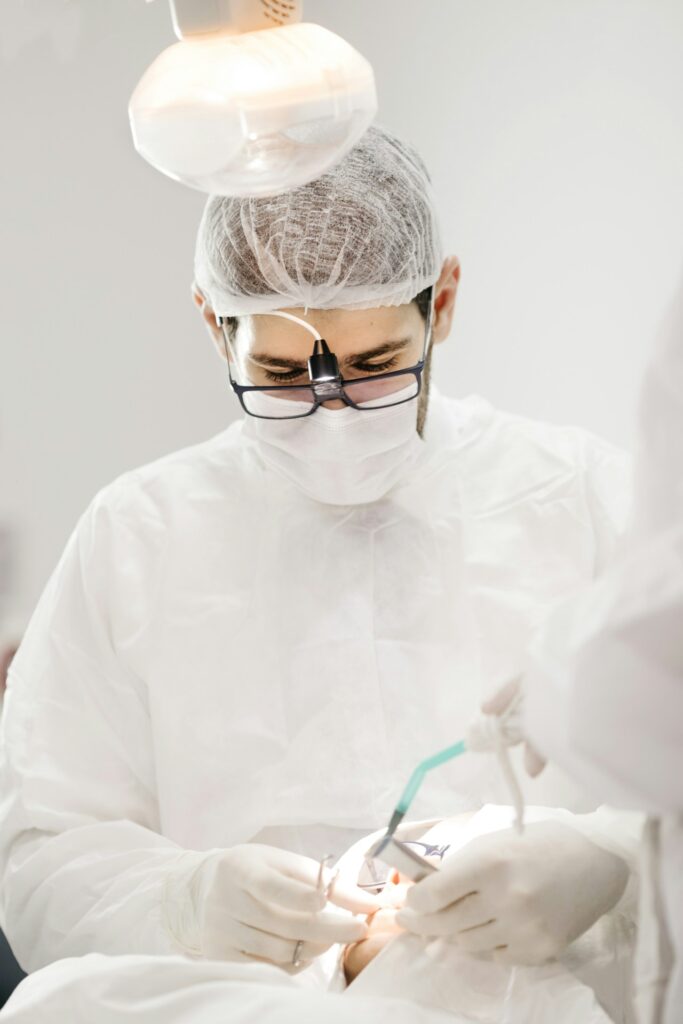
Orthodontic emergencies can be stressful, especially when they happen at night, on a weekend, or while you are traveling. The good news is that true orthodontic emergencies — situations that pose a genuine risk to your health — are relatively rare. Most issues that arise during treatment are minor inconveniences that can be managed at home until you are able to see your orthodontist. Knowing the difference between a real emergency and a routine problem, and understanding what to do in each situation, can save you a great deal of anxiety and unnecessary trips to the office.
What Counts as a True Orthodontic Emergency
A genuine orthodontic emergency is any situation involving significant pain, trauma to the mouth or face, or a loose or broken appliance that is causing injury to the soft tissues of the mouth. If you or your child has experienced a blow to the face that has loosened teeth, fractured a tooth, or damaged the jaw, you should seek emergency dental care immediately. Similarly, if a broken wire or bracket is puncturing or cutting the inside of your cheek, lip, or tongue and the injury cannot be relieved at home, contact your orthodontist right away. Most orthodontic practices in Louisiana maintain an emergency phone line or answering service for exactly these situations.
Severe, unrelenting pain that does not respond to over-the-counter pain relievers is another reason to seek prompt care. While some tenderness after adjustments is completely normal, pain that is sharp, constant, and focused on a single tooth or area of the jaw should be evaluated as soon as possible, as it may indicate a problem beyond routine orthodontic soreness.
Loose or Broken Brackets
A loose bracket is one of the most common issues patients experience during treatment with traditional braces. Brackets can come loose after eating hard or sticky foods, after a knock to the mouth, or sometimes simply due to the adhesive not bonding properly to a particular tooth surface. A loose bracket will often slide along the wire and may rotate or flip, which can feel strange and sometimes cause mild irritation to the surrounding tissue.
If a bracket comes loose but is still attached to the wire, leave it in place if it is not causing discomfort. Cover it with a small piece of orthodontic wax to reduce irritation and call your orthodontist's office during business hours to schedule a repair appointment. If the bracket has come off the wire entirely, save it in a small zip-lock bag or envelope and bring it to your appointment — the orthodontist may be able to rebond it.
Do not attempt to reattach a bracket yourself with household adhesives. This is never a safe or effective solution and can cause damage to the tooth surface or the bracket itself. Orthodontic adhesive is a specialized dental material applied under controlled conditions, and any attempt to replicate this at home is likely to make the situation worse.
Poking or Broken Wires
A wire that has slipped out of the last bracket tube or that has broken and is now poking into the cheek or gum is a frustrating but manageable situation. The first thing to try is gently pushing the wire back into place using a cotton swab, the eraser end of a pencil, or a clean finger. If the wire can be repositioned so it is no longer poking, apply a small ball of orthodontic wax over the end to keep it in place until you can get to the office.
If the wire is poking badly and cannot be repositioned, you can carefully trim it as a last resort. Use a pair of small, clean nail clippers or wire cutters, and be very careful not to swallow the cut piece. Place a tissue or folded piece of gauze against the back of the mouth to catch the trimmed segment before cutting. This is a temporary fix only — call your orthodontist as soon as possible to have the wire properly repaired or replaced.
Never use sharp metal tools not designed for this purpose, and never attempt to bend the wire yourself. Wires that are bent or kinked in the wrong direction can create unintended forces on teeth and potentially move them in the wrong direction, adding time to your treatment.
Lost or Broken Aligner Trays
For patients undergoing Invisalign or clear aligner treatment, a lost or broken aligner tray requires prompt attention. If you are midway through a tray and lose it, contact your orthodontist right away. Depending on how long you have been wearing the tray and how much longer it was scheduled to be used, your orthodontist may advise you to move on to the next tray in the series, go back to the previous tray to maintain your progress, or order a replacement of the lost tray.
A broken aligner that has cracked or split into two pieces should be discontinued immediately — do not attempt to wear a broken tray, as it may have sharp edges that can cut the soft tissues of the mouth. Move back to the previous tray or go without until a replacement is arranged. The key is to keep the teeth from shifting out of their current position while waiting for the new tray, which is why the previous tray is often the best temporary solution.
Lost or Loose Retainer
Patients in the retention phase who lose or break their retainer should treat this as a priority, not a minor inconvenience. Without a retainer, teeth begin shifting immediately, and even a few days without retention can result in noticeable movement depending on how recently active treatment was completed. Contact your orthodontist as soon as you discover the retainer is missing or damaged and schedule an appointment for a replacement as quickly as possible.
In the meantime, if you have an older retainer that still fits reasonably well, wear that one until the replacement is ready. Do not force a retainer that does not fit — this can apply inappropriate pressure to teeth that have already shifted and cause pain or damage. If no backup retainer is available, simply be as careful as possible in the interim and get to the orthodontist quickly.
Soreness and Discomfort After Adjustments
Not all discomfort during orthodontic treatment is a sign of an emergency. It is completely normal to experience tenderness and mild soreness for one to three days after each adjustment appointment or when starting a new set of aligner trays. This discomfort is a sign that the appliances are doing their job — the pressure on the teeth stimulates the bone remodeling process that allows teeth to move.
To manage post-adjustment soreness, over-the-counter pain relievers such as ibuprofen or acetaminophen taken at the recommended dosage are generally effective. Eating soft foods during the first couple of days after an adjustment — yogurt, smoothies, mashed potatoes, scrambled eggs, pasta — reduces the stress on sore teeth and makes eating more comfortable. Rinsing with warm salt water several times a day can also soothe irritated gum tissue and help with any soreness in the mouth.
Mouth Sores and Irritation
New braces or newly adjusted wires often cause irritation to the inside of the lips and cheeks as the mouth adjusts to the hardware. Orthodontic wax is your best friend in these situations. Roll a small pea-sized piece of wax between your fingers to soften it, then press it firmly over the bracket or wire that is causing the irritation. This creates a smooth barrier between the metal and the soft tissue and provides immediate relief.
Mouth sores caused by repeated contact with brackets or wires typically heal within one to two weeks as the soft tissues toughen up. Rinsing with a warm salt water solution or an over-the-counter oral anesthetic gel can speed healing and reduce discomfort in the meantime. If sores persist beyond two weeks or worsen significantly, let your orthodontist know at your next appointment so they can assess whether any adjustment to the appliance is needed.
When to Call Your Louisiana Orthodontist
As a general rule, call your orthodontist whenever you are uncertain about what to do, whenever pain is severe or persistent, or whenever you feel that something is significantly wrong with your appliance. Louisiana orthodontic practices understand that issues arise between appointments and will always make time to advise you over the phone, even if an in-person visit is not immediately necessary. Never hesitate to reach out — no question is too small when it comes to your orthodontic health, and your provider would always rather hear from you early than have a small issue become a bigger problem through inaction.
Keeping a small orthodontic emergency kit at home can make a real difference when issues arise unexpectedly. A basic kit should include orthodontic wax, a clean pair of small nail clippers for wire trimming as a last resort, cotton swabs, a mirror, and your orthodontist's emergency contact number. Being prepared means you can handle minor issues calmly and confidently without panic, and focus your energy on contacting your Louisiana orthodontist for proper follow-up care as soon as their office opens.
nn
🔗 Related Articles
🌎 External Resources
Leave a Reply